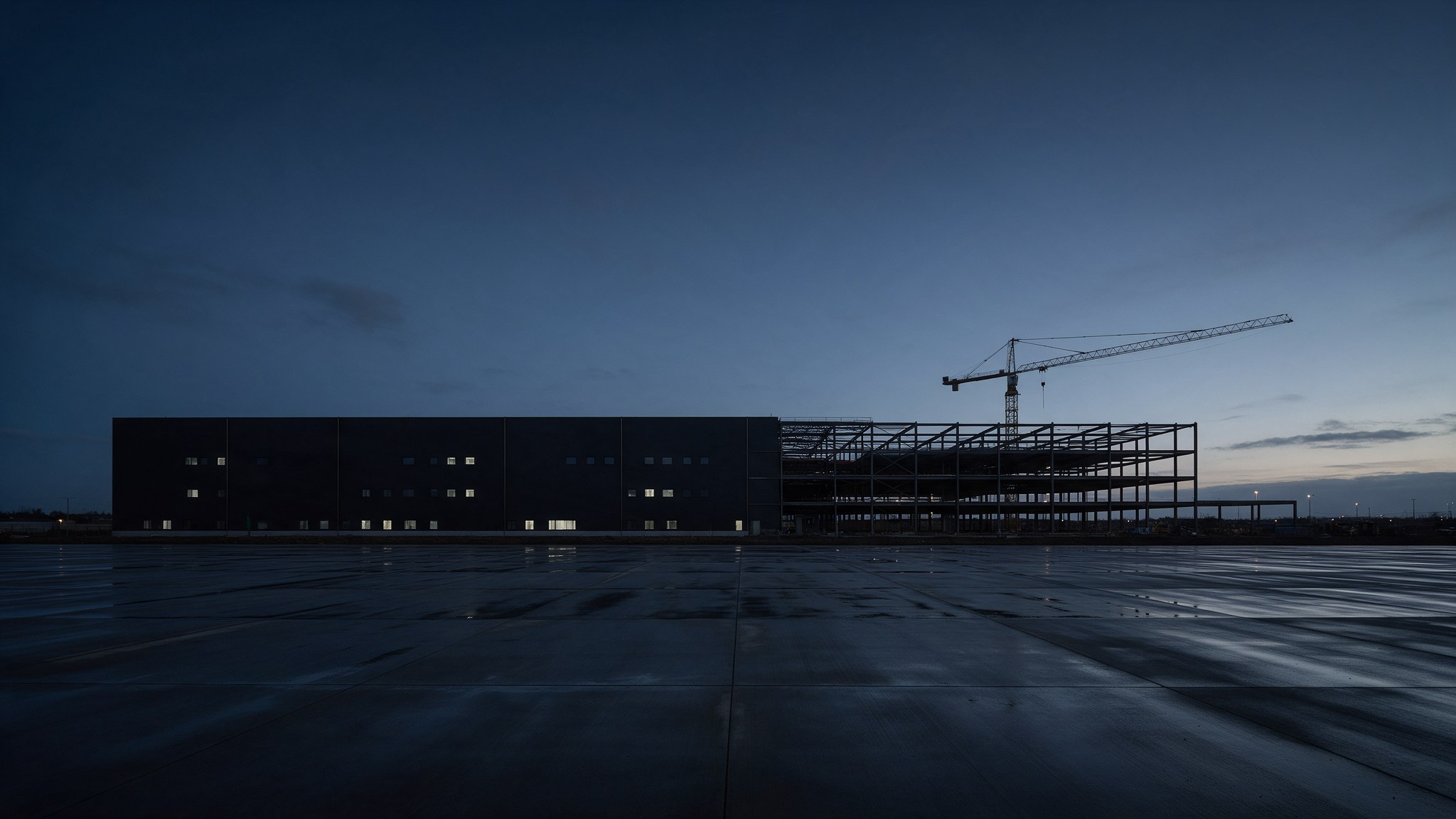
Featured project
[PROJECT NAME], [LOCATION]
[CLIENT TYPE] · [CAPACITY] MW · [YEAR]
[Two sentences on the commercial challenge, what the analysis showed, and the outcome for the client.]
Capital plans drift when requirements, cost and schedule are tracked in separate places. We tie them together, so owners and investors see what a program will cost, when it will deliver and where the risk sits.
Who it's for
Owners, operators, private equity and investors
When to engage
Before capital is approved, and whenever cost or schedule starts to drift
What you leave with
A baseline, a forecast you can defend and a live risk register
How an engagement runs
From business case to steady reporting
Phase 01
We capture what the business needs from the program: capacity, timing, resilience and budget limits, written down and agreed before any number is modelled.
Phase 02
We build the cost picture across capital and operating spend, compare options on total cost of ownership and show which assumptions move the answer most.
Phase 03
We set the budget, schedule and capital plan the program will be measured against, with contingency sized to the real risks.
Phase 04
We measure progress with earned value, update forecasts as work is done and flag variance early, while there is still room to act.
Phase 05
We turn the numbers into reporting your board, lenders and investors can read, including P&L support and a current view of risk.
How we work
Cost, schedule and risk are tracked together, not in separate files.
Every forecast shows what it depends on.
Variance is raised while there is still room to act.
What we cover
We run each one on the owner's side and keep the results in a single, current picture.
Talk to a consultant
Capacity, resilience, timing and budget needs translated into measurable program requirements.
Options compared on capital and operating cost, so savings in one are not paid for in the other.
Lifecycle cost models covering build, energy, maintenance and refresh across the life of the facility.
Cash flow and cost-to-complete forecasts, with the inputs your finance team needs for the P&L.
Progress measured against spend, and a capital plan that phases funding to match delivery.
A quantified risk register with owners, mitigations and contingency tied to each exposure.
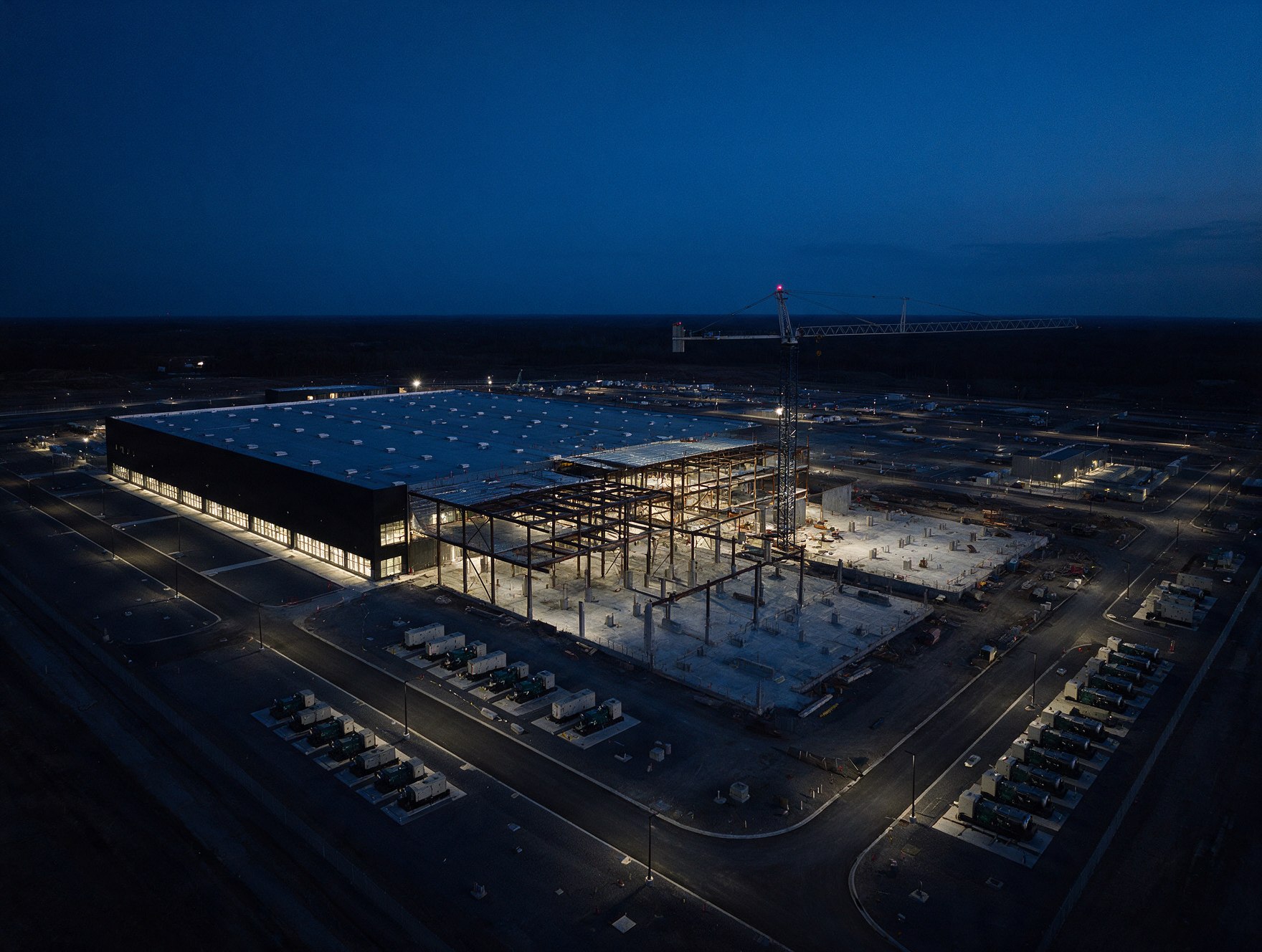
Featured project
[CLIENT TYPE] · [CAPACITY] MW · [YEAR]
[Two sentences on the commercial challenge, what the analysis showed, and the outcome for the client.]
Contact
Share the scale, the stage and where the numbers feel uncertain. A senior consultant will reply, not a sales sequence.
We reply from a real inbox, not a drip sequence.